
Finding the right support often begins with a simple conversation. Tell us what is happening, what you would like assistance with and what matters most to you. Our team will listen, answer your questions and explain the options available without placing pressure on you to make an immediate decision.
You may already know exactly which service you need, or you may only know that your current arrangement is no longer working. Either way, you are welcome to speak with us.
We can discuss your routines, current challenges, health requirements, NDIS or DVA funding and the type of assistance you would like. From there, we can explain whether our team may be suitable and what would happen next.
There is no expectation to have every detail prepared before making contact. A brief overview is enough to begin, and you can share further information when you feel comfortable.
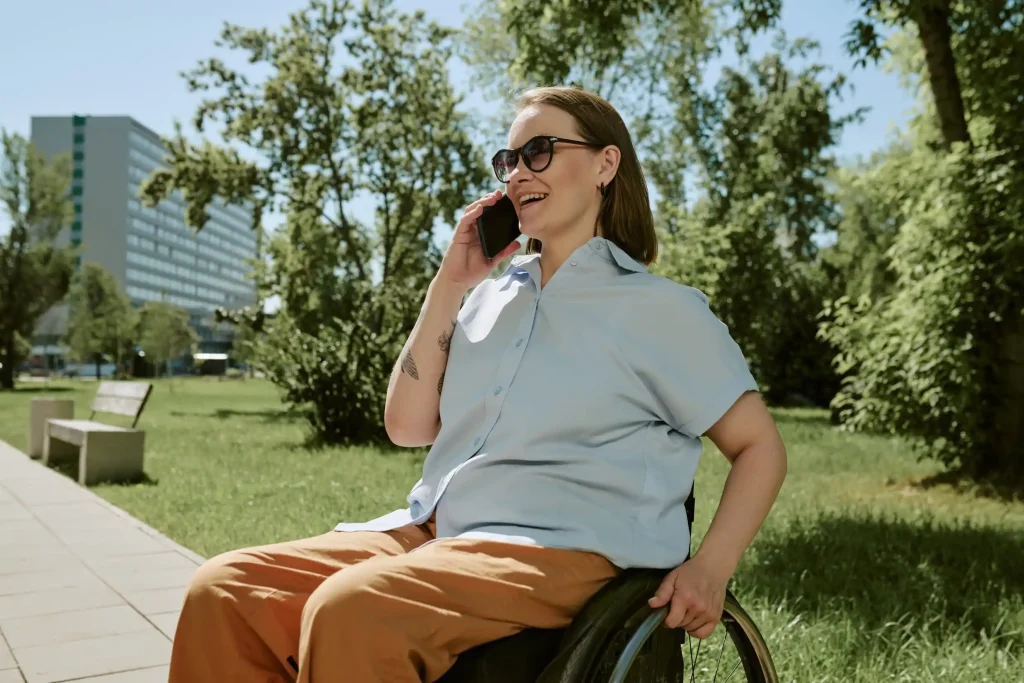
Learn more about contacting our team, beginning support and what to expect during the first stages of the process.
We look at the person’s support needs, goals, location and preferred way of working. We also consider whether our team has the right skills, experience and availability to provide consistent support. If we are not the right match, we will be honest about that from the outset.
Where possible, an introduction can be arranged before ongoing support starts. This gives you time to get a feel for the person, ask questions and decide whether their communication style and approach suit you.
Collaboration is often an important part of creating consistent support. With your consent, we can communicate with Support Coordinators, allied health professionals, healthcare teams, family members and other providers involved in your care.
The aim is to reduce crossed wires, keep everyone informed and make sure each person understands their role. You remain in control of who is involved and what information is shared.
We start by listening. During onboarding, we ask about your usual routines, preferred communication style, personal boundaries, cultural considerations and anything that helps you feel comfortable.
That understanding continues to develop over time. We welcome feedback and make adjustments as we learn more about what works best for you.
This depends on the person’s individual needs and the level of clinical support required. Our nursing experience provides a strong foundation for understanding complex health considerations, care plans, risk management and the importance of appropriately trained staff.
Before confirming support, we review the available information carefully and discuss any relevant requirements with the person and their wider care team. This helps us determine whether we can provide the assistance safely and consistently.
You do not need to know the exact service name before getting in touch. Tell us what you are finding difficult, what kind of help you are looking for and what you would like to change. We can then explain the most relevant options in clear terms and help you work out the next step.